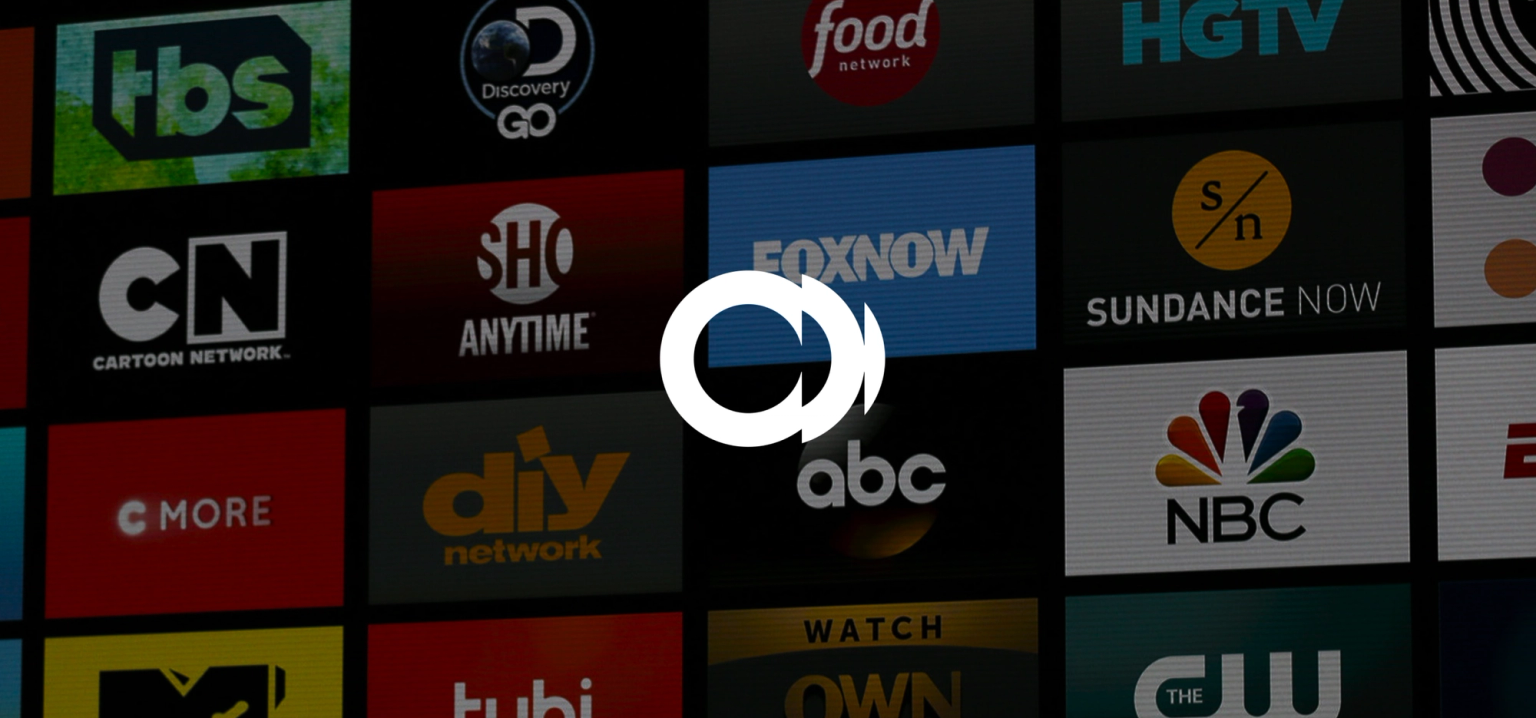
Fragmented TV Requires a New Way to Decide
TV advertising isn’t failing.It’s scaling faster than the systems designed to manage it.
Over the past few years, the TV ecosystem has exploded. Streaming platforms multiplied, access to inventory became easier, and buying tools proliferated. From the outside, this looks like progress. More supply, more choice, more flexibility.
But for advertisers, something fundamental broke along the way. The problem is not fragmentation itself. Fragmentation exists in every mature media market. The real issue is that decision-making never adapted to it.
When More Choice Creates Less Clarity
Today, a single TV plan can span multiple DSPs, dozens of publishers, and several buying modes: programmatic, direct, managed, self-serve. Each platform optimizes within its own perimeter, using its own logic, metrics, and incentives.
Individually, these systems work. Collectively, they don’t.
Advertisers end up with execution silos rather than a coherent strategy. Decisions are made locally, based on what each tool can see, rather than globally, based on what the brand is trying to achieve.
As a result, TV buying often becomes reactive. Budgets are adjusted after the fact. Learnings arrive too late. Optimization happens inside platforms, not across the campaign as a whole.
Execution Scaled. Decisioning Didn’t.
The industry has done an impressive job scaling execution. Buying TV has never been faster or more automated.
What hasn’t scaled is the ability to decide:
- Where incremental reach actually comes from
- Which programs truly contribute to outcomes
- How creative and context interact
- When exposure adds value versus noise
Most teams still rely on a mix of historical habits, platform recommendations, and post-campaign reporting to make decisions. In a fragmented environment, that approach simply doesn’t hold.
The more fragmented TV becomes, the more decision-making needs to move upstream. Yet most of the ecosystem still treats decisions as something that happens downstream, once delivery is already in motion.
Fragmentation Requires a Different Kind of System
Fragmentation is not a media problem. It’s a systems problem.
In a fragmented environment, value no longer comes from controlling inventory or optimizing a single channel. It comes from the ability to synthesize signals across the ecosystem and turn them into coherent actions. That requires a layer that sits above execution.
A system that doesn’t replace existing tools, but connects them.
A system designed to decide across platforms, not inside them.
Without that layer, fragmentation turns into entropy. With it, fragmentation becomes optionality.
Why This Is a Structural Issue, Not a Tactical One
Many attempts to solve fragmentation focus on consolidation: fewer partners, fewer platforms, fewer choices. In practice, this rarely works. The market keeps expanding, and new environments keep emerging.
The alternative is not simplification through reduction. It’s simplification through decisioning.
A decisioning system doesn’t eliminate fragmentation. It makes it manageable. It provides a consistent logic that travels across platforms, formats, and markets, even as the underlying execution layer continues to evolve.
This is the shift TV now requires.
Not better pipes.
Not another buying interface.
But a way to make fragmented decisions add up to a coherent strategy.


To learn more, please read our Privacy policy.